
 +1 (520) 390-4105
 Losing weight involves much more than simply eating fewer calories. While creating a calorie deficit is essential, the quality of those calories can significantly influence your results. Among all nutrients, protein plays one of the most important roles because it helps preserve muscle, supports metabolism, and keeps you feeling satisfied throughout the day.
For anyone trying to lose weight in a healthy and sustainable way, understanding the relationship between protein intake weight loss can make a noticeable difference. Rather than viewing protein as something only athletes need, it should be considered an essential part of any long-term weight management strategy.
Protein does much more than build muscle
Protein is one of the three primary macronutrients your body needs to function properly. It is made up of amino acids, which serve as the building blocks for muscles, organs, hormones, enzymes, skin, and countless other tissues.
Unlike carbohydrates and fats, protein requires more energy for your body to digest and process. This is known as the thermic effect of food, meaning your body burns more calories metabolizing protein than it does processing other nutrients.
This higher energy expenditure is one reason why researchers continue to study the connection between protein intake weight loss. Increasing dietary protein can support a healthier metabolism while helping individuals maintain lean body mass during periods of calorie restriction.
Feeling full makes healthy habits easier to maintain
One of the biggest challenges during weight loss is controlling hunger. Restrictive diets often fail because constant hunger eventually leads to overeating or abandoning healthy eating habits altogether.
Protein naturally helps increase satiety by influencing hormones responsible for appetite regulation. It reduces levels of ghrelin, often called the hunger hormone, while increasing hormones associated with fullness.
Because of this, people who prioritize protein often find it easier to maintain a calorie deficit without constantly feeling deprived.
This relationship between appetite control and protein intake weight loss explains why many nutrition professionals recommend including a quality protein source with every meal rather than consuming most daily protein in a single sitting.
Preserving muscle is just as important as losing fat
Many people focus exclusively on the number they see on the scale. However, successful weight loss is about improving body composition rather than simply reducing body weight.
Without adequate protein, your body may begin breaking down muscle tissue while losing weight. Losing muscle can reduce strength, decrease daily energy expenditure, and make maintaining long-term results more difficult.
Adequate protein consumption helps preserve lean muscle while encouraging the body to use stored fat as an energy source. This makes protein intake weight loss an important consideration not only for appearance but also for overall metabolic health.
Maintaining muscle also supports better mobility, physical performance, and long-term independence as people age.

Protein supports a healthier metabolism
Muscle tissue requires more energy than fat tissue, even while your body is at rest. For that reason, preserving muscle during weight loss helps maintain a healthier metabolic rate.
Combined with regular physical activity, especially resistance training, sufficient protein intake supports recovery after exercise and encourages muscle repair.
This creates a positive cycle where stronger muscles contribute to greater daily energy expenditure while helping individuals remain active throughout their weight loss journey.
Although protein alone does not produce weight loss, the combination of balanced nutrition, regular exercise, and proper protein intake weight loss strategies often produces more sustainable long-term outcomes than calorie restriction alone.
Meeting your daily protein needs
Protein requirements vary depending on age, body composition, physical activity, and individual health goals.
Many experts recommend distributing protein evenly throughout the day instead of consuming most of it at dinner. Including protein at breakfast, lunch, dinner, and snacks helps support muscle protein synthesis while improving appetite control.
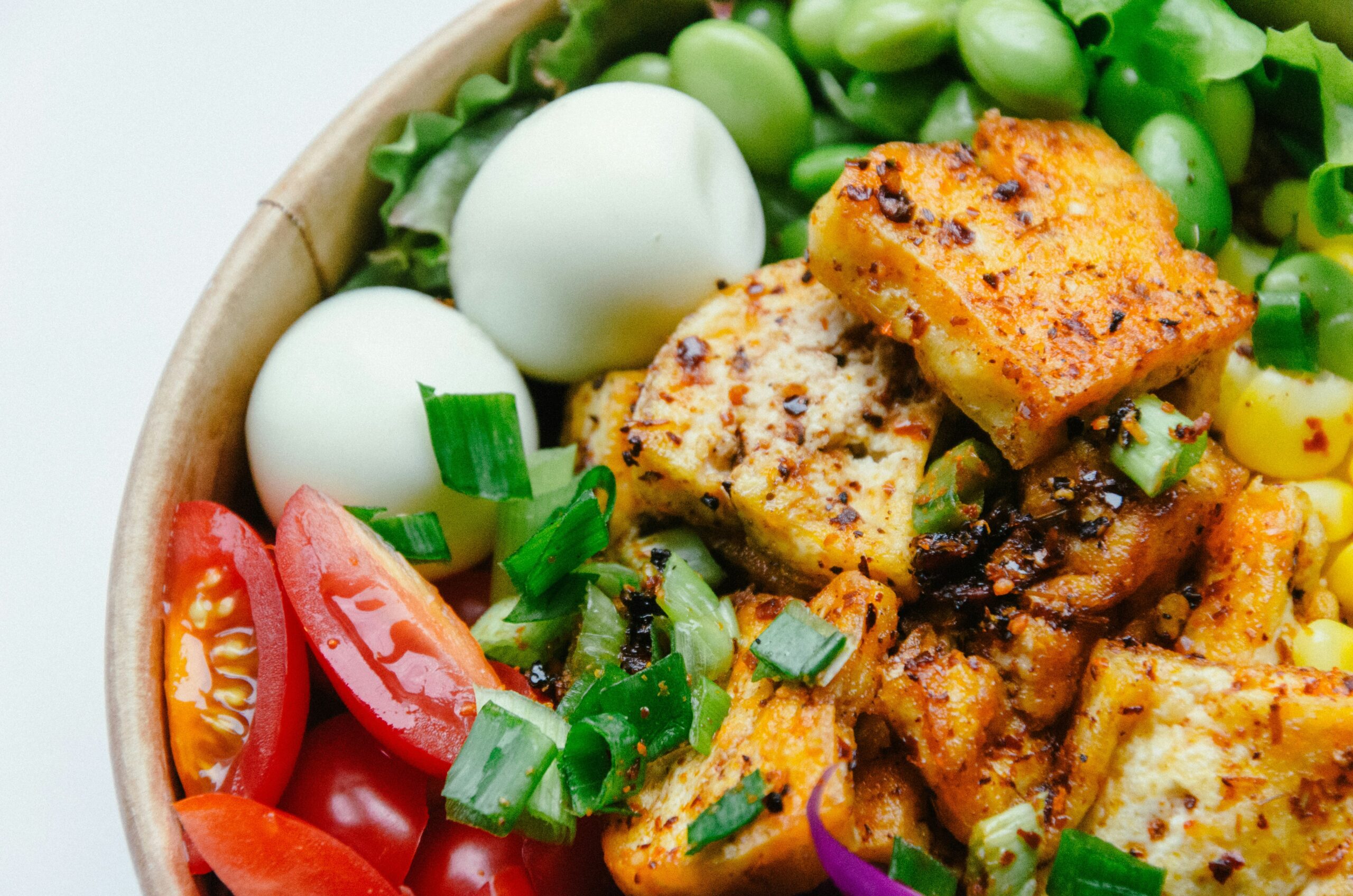
Excellent protein sources include lean poultry, fish, eggs, Greek yogurt, cottage cheese, beans, lentils, tofu, edamame, nuts, seeds, and high-quality protein supplements when appropriate.
The goal is not necessarily to consume excessive amounts of protein, but rather to consistently meet your body's needs while maintaining a balanced overall diet. For many people, building meals around quality protein becomes one of the most effective habits for supporting protein intake weight loss.
Building balanced meals around protein
Including protein in every meal does not have to be complicated. Small adjustments to everyday eating habits can make a meaningful difference over time.
A balanced breakfast might include eggs with vegetables and whole-grain toast or Greek yogurt with fruit and nuts. Lunch could feature grilled chicken, quinoa, and roasted vegetables, while dinner may consist of salmon, brown rice, and steamed broccoli. Snacks such as cottage cheese, roasted chickpeas, or a handful of almonds can also help increase daily protein intake.
Rather than following restrictive diets, creating balanced meals that combine protein, fiber, healthy fats, and complex carbohydrates often leads to better long-term adherence. This balanced approach supports protein intake weight loss while providing the nutrients your body needs for overall health.
Timing can also influence results
Although total daily protein intake is the most important factor, spreading protein consumption throughout the day may offer additional benefits.
Consuming moderate amounts of protein every few hours helps support muscle maintenance and may improve satiety between meals. For physically active individuals, eating protein after exercise can also assist with muscle recovery and tissue repair.
Consistency matters more than perfection. Developing eating habits that fit your schedule and lifestyle is far more sustainable than following rigid meal plans that are difficult to maintain.
Over time, these simple habits reinforce the relationship between protein intake weight loss by making healthy nutrition easier to sustain for months and years rather than just a few weeks.
Common misconceptions about protein
Despite its many benefits, protein continues to be surrounded by misconceptions.
One common myth is that eating more protein automatically damages healthy kidneys. Current research indicates that for people without existing kidney disease, higher protein intake within recommended ranges is generally considered safe.
Another misconception is that protein alone causes weight loss. While protein provides important metabolic and appetite-related benefits, successful weight management still depends on maintaining an appropriate calorie intake, staying physically active, sleeping well, and following consistent healthy habits.
Understanding these factors allows people to use protein intake weight loss strategies as part of a comprehensive lifestyle rather than expecting one nutrient to solve every challenge.
Sometimes additional medical support is needed
Lifestyle improvements remain the foundation of long-term weight management, but some people living with severe obesity may require additional medical support.
Healthcare providers may recommend structured nutrition programs, behavioral counseling, medications, or bariatric surgery depending on each patient's medical history and overall health goals.
Even when surgery becomes part of the treatment plan, nutrition continues to play a central role. Patients are typically encouraged to prioritize high-quality protein before and after surgery to support healing, preserve lean muscle, and promote healthier long-term outcomes.
Because of this, understanding protein intake weight loss becomes especially valuable for those preparing for bariatric procedures and during every stage of recovery afterward.
Long-term success depends on more than the procedure
Bariatric surgery is not designed to replace healthy habits. Instead, it serves as a tool that helps eligible patients achieve significant weight loss while creating an opportunity to build healthier behaviors for life.
Successful outcomes depend on following medical recommendations, staying physically active, attending follow-up appointments, and maintaining consistent nutritional habits, including adequate protein intake.
For this reason, choosing an experienced bariatric team that provides comprehensive education and ongoing support can make a significant difference throughout the entire journey.
Patients who understand the connection between protein intake weight loss and long-term health are often better prepared to maintain their results well after the initial weight loss phase.
Making protein part of a healthier future
Weight loss is most successful when it focuses on sustainable habits instead of temporary restrictions.
Prioritizing protein helps support muscle preservation, improves satiety, contributes to a healthy metabolism, and makes balanced eating patterns easier to maintain over time. Combined with regular exercise and realistic lifestyle changes, these habits can support lasting improvements in overall health. Understanding the relationship between protein intake weight loss also helps people make more informed nutritional choices that are easier to maintain over the long term.
For individuals whose obesity has become difficult to manage through lifestyle changes alone, professional medical guidance may also become an important part of the journey. If you are considering bariatric surgery in Tijuana, My New Body Obesity Center offers comprehensive, patient-centered care that extends far beyond the procedure itself. Our multidisciplinary team provides personalized nutritional guidance, education, and long-term follow-up to help patients develop healthy habits, including proper protein intake, that support lasting success. This ongoing support allows patients to continue applying the principles of protein intake weight loss throughout their recovery, helping them protect muscle mass, improve overall health, and maintain their results for years to come. By combining advanced surgical expertise with personalized lifestyle support, My New Body Obesity Center helps patients build a healthier future with confidence.




 English
  Spanish